


Thank you for Subscribing to Eldercare Review Weekly Brief
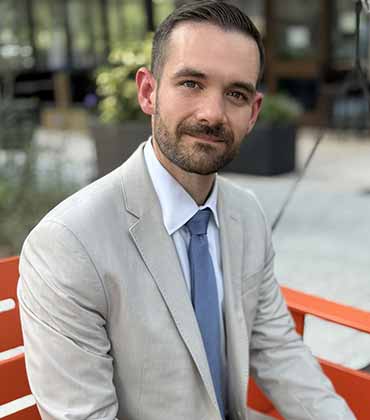 Jesse Pitts, Founder
Jesse Pitts is the founder of Aravine Consulting and Activity Planner Pro, author of Living With Purpose: The TILLMAN Framework for Activities in Senior Living and Assisted Living Made Simple: Insider Advice Families Can Trust and a 2x Latin GRAMMY nominated drummer and producer focused on improving quality of life in senior living communities.
The most important lessons I learned in senior living did not come from a degree, conference, continuing education course, regulatory manual or even on the job training. They came from living inside of a community, something many of us operators either never do or are uncomfortable enough to attempt.
During a difficult operational turnaround, I made the decision to stay onsite for an extended period of time because I wanted to understand the building beyond reports, meetings, staffing grids and department summaries. I wanted to understand what life actually felt like inside the community, not just how it functioned operationally.
From a regulatory and operational standpoint, many things were functioning correctly. Medications were being passed, residents were being assisted with bathing, dressing, toileting and meals, documentation was being completed and the Activities of Daily Living, the ADLs that form much of the operational foundation of our industry, were being addressed appropriately. Despite all of that, the community felt empty, lifeless and incomplete.
What struck me most was how much life existed between those moments. Between care tasks, medication passes and meals existed the ordinary moments that ultimately shape what life actually feels like for a resident. That realization forced me to ask a question I now ask operators regularly: if you had to live in your own community for a year, what operational changes would you make today?
Not as an executive walking the building for twenty minutes. Not as a visitor touring with family members. As a resident.
That question changed everything for me. I began noticing things that had been sitting right in front of me the entire time, but had largely ignored because they existed outside the areas most emphasized within the industry.
I noticed how atmosphere changed behavior and how music altered the emotional tone of common areas. I noticed how environmental warmth shaped conversation, how dining experiences influenced engagement and appetite and how activities and engagement, when treated as major aspects of the resident experience rather than secondary programming, could shape the emotional rhythm of a building more than almost anything else. I noticed how small details such as lighting, utensils, seating arrangements, artwork, staff interaction, activities and family communication all compounded together into something much larger.
What became increasingly clear to me was that many of the most important parts of resident life exist in areas that are not heavily regulated.
That realization led me to develop what I now call the Experience of Daily Living, an operational philosophy built on the idea that while the Activities of Daily Living provide the essential foundation of care and safety, the Experience of Daily Living is what elevates that foundation into something meaningful, memorable and extraordinary for the resident.
In many ways, the industry naturally focuses where regulations exist because those areas are measurable, reportable and tied directly to compliance. Yet some of the greatest opportunities for improving quality of life may exist in the areas that receive the least structured attention. This realization has heavily influenced much of my work and research collaborations with organizations and researchers from the University of South Florida, the University of Texas, the University of Florida and the National Institute of Dementia Education.
-
It is not one grand event that shapes a resident’s experience, but rather the repeated presence of meaningful moments throughout the day.
What increasingly interests me is not finding another fractional efficiency gain within systems the industry already studies. What interests me are the overlooked variables sitting directly in front of us that quietly shape the lived experience of aging every single day: the environmental details, the emotional atmosphere, the role of music, art, dining, sensory design, routine, conversation, belonging and meaning. These are the things many operators intuitively know matter, but that historically have not occupied the center of operational discussion.
This philosophy is not about extravagance or turning senior living into entertainment. Some of the most meaningful changes I witnessed were remarkably simple: creating better atmosphere during meals, using music more intentionally, building stronger activities programming focused on participation and meaning rather than simply filling calendars, designing systems that encouraged participation rather than passive observation and encouraging staff to interact with residents as people rather than tasks.
It is not one grand event that shapes a resident’s experience, but rather the repeated presence of meaningful moments throughout the day. In James 1:27, Scripture states, “Religion that God our Father accepts as pure and faultless is this: to look after orphans and widows in their distress...” I believe there is wisdom in the reminder that care is ultimately human before it is operational. I believe one of the greatest opportunities in senior living lies in expanding our understanding of what care truly means, because ultimately, residents are not simply receiving care services within our communities. They are living their lives there.
Company :
Aravine Consulting
Management Jesse Pitts, Founder
Description
The most important lessons I learned in senior living did not come from a degree, conference, continuing education course, regulatory manual or even on the job training.

